Decorative Plant Vector Illustrations: Elevate Your Creative Projects
In a world saturated with digital noise, the organic beauty of nature remains a powerful way to capture attention and create an emotional connection. Whether you're designing a brand identity for a wellness startup, crafting social media graphics for a lifestyle blogger, or developing packaging for an artisanal product, incorporating high-quality botanical elements can transform a flat layout into a compelling visual story. This is where a versatile set of Decorative Plant Vector Illustrations becomes an indispensable asset in your design toolkit.
Understanding the Aesthetic and Versatility of Botanical Vectors
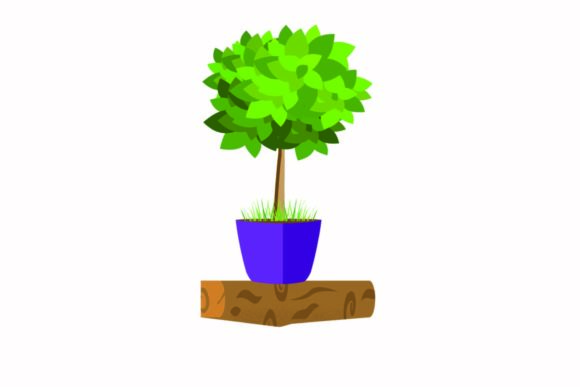
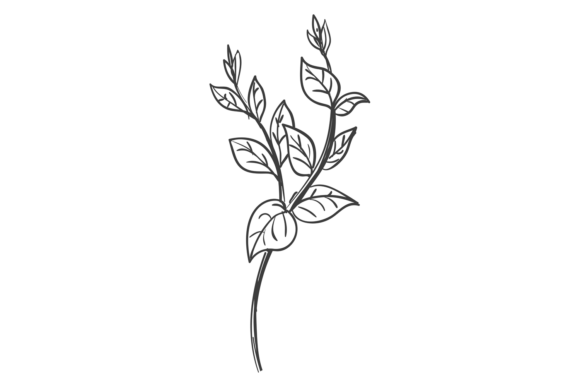
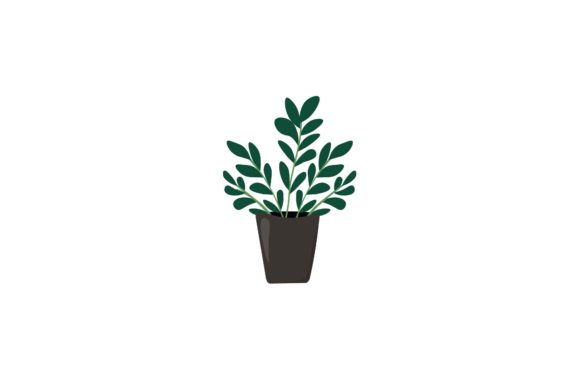
These aren't just simple leaf outlines. A well-curated collection of Decorative Plant Vector Illustrations offers a specific visual personality—often balancing between modern minimalism and detailed, hand-drawn charm. The style can range from sleek, geometric succulents perfect for a tech company's blog to lush, flowing ferns that evoke a sense of calm for a spa's menu. This visual flexibility is their core strength. Because they are vector files, their appeal lies in their infinite scalability. A single illustration can be used as a tiny favicon on a website and then blown up to a massive trade show banner without losing a single ounce of crispness or detail.
The true power of these assets is their ability to bridge different design contexts. Imagine using the same leafy motif to create a cohesive brand experience: it could start as a subtle background texture on a website, become a prominent header graphic in an email newsletter, and then appear as an elegant pattern on thank-you cards or product packaging. This consistency, facilitated by a single, high-quality design asset, is what separates amateur projects from professional, recognizable brand identities.
Practical Applications for Designers and Business Owners
For the creative professional, the utility of a comprehensive vector pack is immense. Let's break down where these illustrations truly shine:
- Brand Identity and Logo Design: A thoughtfully chosen plant vector can become a cornerstone of a logo or a supporting brand mark. It instantly communicates values like growth, sustainability, freshness, or tranquility. For a yoga studio, a gardening service, or an organic cafe, this visual shorthand is invaluable.
- Editorial and Packaging Design: In editorial design, these illustrations can break up text-heavy pages in magazines, books, or reports, adding visual interest and improving the reader's experience. For packaging design, they are perfect for creating decorative borders, spot illustrations, or full-bleed patterns that make a product stand out on the shelf.
- Digital and Web Design: Use them as standalone graphics for social media posts, as icons in an infographic, or as decorative elements in web design to guide the user's eye. Their clean lines ensure they look sharp on all screen resolutions, from mobile phones to high-density displays.
- Print-on-Demand and Merchandise: For crafters and entrepreneurs, these vectors are ideal for creating products like t-shirts, tote bags, mugs, and art prints. The included file formats—like the SVG File and DXF File—are specifically optimized for cutting machines like Cricut and Silhouette, making the transition from digital file to physical product seamless.
The practical value is clear: instead of commissioning custom illustrations for every project, having a reliable set of decorative plant vectors saves time, ensures quality, and provides creative flexibility. It’s about working smarter, not harder.
Making the Most of Your Vector Files: A Practical Guide
Simply purchasing a file pack is only the first step. To truly leverage these design assets, you need to understand what you have and how to use it effectively. A professional offering will provide multiple formats for maximum compatibility. Here’s what to expect and how to use each:
- The AI and EPS Files: These are your primary editable files. Open them in Adobe Illustrator or a compatible vector editor like Affinity Designer or Inkscape. This is where you can change colors, scale elements, remove parts of a composition, or combine different illustrations to create a custom layout. Always start with these for any serious design work.
- The SVG File: This is the go-to format for web design and digital applications. SVGs (Scalable Vector Graphics) are lightweight, load quickly, and look perfect at any size. They are also the preferred format for many digital crafters.
- The DXF File: Essential for laser cutting and vinyl cutting. If you're using a Cricut Maker or Silhouette Cameo, this format will be your workhorse for creating physical products.
- The JPG and PNG Files: These are raster (pixel-based) versions provided for convenience. The PNG File is particularly useful because it typically has a transparent background, allowing you to easily drop the illustration onto any colored background in software like Canva, Photoshop, or even PowerPoint without a white box around it. The JPG is great for quick mockups or situations where file size is a critical concern.
When evaluating a set of Decorative Plant Vector Illustrations, pay close attention to the canvas size (like a 1920px X 1280px starting point) and the number of files. A collection offering 6x Digital Files in various formats indicates a thoughtful approach to the end-user's needs, saving you the hassle of converting files yourself.
Ultimately, integrating these botanical elements into your work is about more than just decoration. It’s a strategic choice to enhance visual hierarchy, guide the viewer's eye, and imbue your project with a specific mood or personality. By choosing a versatile, high-quality vector set and understanding how to manipulate the different file types, you equip yourself with a powerful tool for creating more engaging, professional, and cohesive designs across any medium.