Decorative Border Art: Elevate Your Design Projects
Every designer, whether they're building a brand from scratch or refreshing a website, knows that the details make the difference. A project can have flawless typography and a perfect color palette, yet still feel incomplete without the right finishing touches. This is where Decorative Border Art enters the conversation. It’s more than just a line; it’s a framing device, a visual cue, and a powerful element that can tie an entire composition together. Think of it as the custom frame for a masterpiece—it doesn’t compete with the art, but it fundamentally changes how the art is perceived.
Visual Personality and Style
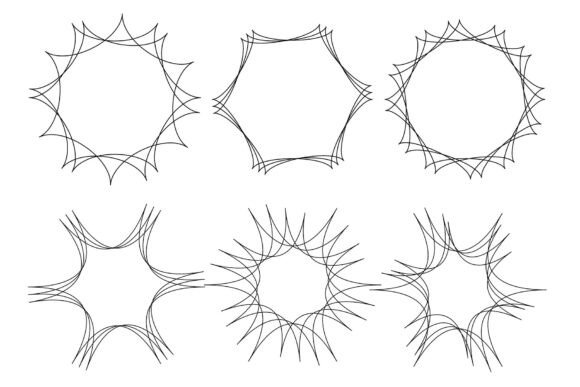
When we talk about a design asset like this, we aren't just talking about a simple geometric line. Decorative Border Art typically encompasses a wide range of styles, from intricate, vintage-inspired flourishes to clean, modern geometric patterns. The "personality" of these assets is defined by their texture and complexity. You might find ornate, hand-drawn curves that evoke a sense of luxury and tradition, perfect for high-end branding or wedding invitations. Alternatively, you might encounter bold, repeating motifs that feel playful and contemporary, ideal for children’s books or casual lifestyle blogs.
The visual appeal lies in the versatility of the "file" itself. As noted in the product details, you often receive high-quality JPG files. This raster format is excellent for maintaining the subtle textures and shading that give decorative art its character. Unlike a vector line which can sometimes feel sterile, a high-resolution JPG border often carries a "hand-made" quality. It feels organic. For the creative professional, this means you aren't just placing a line; you are incorporating a piece of art that has depth. Whether you prefer a serif inspired aesthetic or something that mimics brushstrokes, the right border art adds a layer of sophistication that standard CSS borders simply cannot replicate.
Strategic Applications for Modern Creators
Understanding where to deploy Decorative Border Art is key to maximizing its impact. It is a versatile tool that spans across various mediums, serving different functional and aesthetic purposes.
- Editorial and Publishing Design: In magazine layouts or book covers, borders help define the "live area" of the page. They can frame a pull quote or separate a sidebar from the main content, guiding the reader's eye through the hierarchy of information.
- Branding and Packaging: For small business owners, packaging is the first tactile interaction a customer has with the product. A decorative border on a label or a shopping bag elevates the perceived value of the item. It turns a generic container into a premium product. This is crucial for brand identity and recognition.
- Digital Marketing and Social Media: In the fast-scrolling world of social media, you have seconds to grab attention. Using border art on Instagram posts or Pinterest pins can make your content stand out in a crowded feed. It acts as a visual stop-sign, framing your message and making it look polished and intentional.
- Web Design: While we often focus on sans serif fonts for body copy in web design, decorative elements are vital for headers and hero sections. A subtle border can frame a call-to-action button or a testimonial, increasing click-through rates by drawing visual focus.
Impact on Brand Perception and Engagement
Design is psychological. The elements you choose tell your audience how to feel about your brand before they read a single word of copy. Decorative Border Art plays a significant role in this non-verbal communication.
First, there is the aspect of professionalism. A layout that feels "boxed in" or unfinished can make a brand look amateurish. Conversely, a well-chosen border suggests that the creator cares about the details. It implies a level of care and quality that extends to the product or service being offered. For a logo design or a business card, this framing can make the difference between being perceived as a hobbyist versus a serious entrepreneur.
Second, borders contribute to visual hierarchy. By framing specific content—such as a sale price, a disclaimer, or a header—you are signaling to the viewer that this information is important. It organizes the chaos of a page. In editorial design, this helps with readability, preventing the eye from wandering off the page. The border contains the energy of the layout, keeping the reader focused on the message.
Practical Guide to Implementation
Integrating a new design asset requires a strategic approach to ensure it enhances rather than clutters. Here is how to effectively work with Decorative Border Art in your next project.
- Evaluate Project Fit: Before applying a border, ask yourself what the "voice" of the project is. If you are designing for a modern tech startup, an ornate Victorian-style border might create cognitive dissonance. If you are designing for a bakery or a boutique, that same ornate border might be perfect. Match the style of the border to the style of your typeface.
- Consider Font Pairings: Borders interact with typography. If you are using a heavy, bold display font, a delicate, thin border might get lost. Conversely, if you are using a light, airy script font, a heavy geometric border might crush it. Aim for contrast or complementary weights. For example, a vintage serif font pairs beautifully with an art-deco border, while a clean modern typography style might only need a simple corner flourish.
- Check File Quality and Usage: Since you are working with JPG files, ensure your source image is high-resolution. This is vital for print design (like flyers or posters) where pixelation is unacceptable. For digital use, optimize the file size to ensure your webpage loads quickly without sacrificing the crispness of the art.
- Licensing and Commercial Use: Always review the licensing terms. If you are creating a logo for a client or designing merchandise for sale, you need to ensure the commercial font and asset license covers these uses. This protects you and your client legally.
Ultimately, Decorative Border Art is a design multiplier. It is a small addition that yields significant returns in terms of visual cohesion and brand perception. By treating these assets as essential components of your design assets toolkit rather than afterthoughts, you can transform standard layouts into memorable experiences for your audience. Whether you are a crafter working on a scrapbook or a marketer designing a high-stakes pitch deck, the right frame makes all the difference. Remember to leave a review if you find these assets helpful, as feedback helps creators continue to provide high-quality resources.