Unlocking the Versatility of Mandala or Decorative Border Vector
In the world of digital design, assets that offer both intricate beauty and practical flexibility are invaluable. The Mandala or Decorative Border Vector file is precisely that kind of resource. It’s more than just a pretty pattern; it’s a versatile design element that can elevate projects across branding, packaging, web design, and personal crafts. For designers, marketers, and creators, understanding how to leverage such a high-quality vector asset is key to producing professional and engaging work.
Understanding the Visual Appeal and Practicality
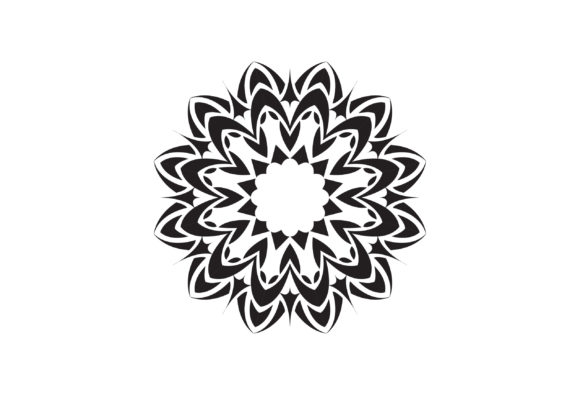
At its core, a mandala is a complex, symmetrical design often associated with harmony and unity. When created as a vector, it gains infinite scalability without any loss of quality. This specific decorative border vector combines the meditative complexity of mandala patterns with the structured utility of a border or frame. The visual personality is often ornate, elegant, and richly detailed, making it ideal for projects that require a touch of sophistication or cultural depth.
The file’s practicality is its superpower. Delivered in Vector EPS format at HD size (Max 4000 px), it’s a true premium font and design asset companion. You can scale it to fit a tiny business card or a massive billboard with perfect clarity. This makes it an excellent choice for logo design, where a mark needs to look crisp at any size, or for packaging design, where intricate details must hold up on physical products. The vector format also allows for easy color customization, enabling you to match the asset perfectly to any brand identity palette.
Strategic Applications for Modern Creators
The real value of this asset emerges in its application. For brand identity projects, the mandala border can serve as a powerful secondary graphic element. Imagine it framing the company name on a website header, adding depth to a presentation slide, or becoming the elegant background of a thank-you card. It injects personality and a sense of crafted quality, helping a brand stand out in a crowded market.
In editorial design and publishing, this decorative vector shines. It can transform the cover of a book, a magazine feature page, or a blog’s featured image, instantly communicating a theme of mindfulness, artistry, or luxury. For social media graphics, using it as a subtle border or a bold central motif can increase visual hierarchy and stop the scroll, driving better engagement. Entrepreneurs and small business owners can use it to create unique product tags, certificate borders, or event invitations that look professionally designed.
Integrating the Asset into Your Workflow
Adopting any new design element requires thoughtful integration. First, consider the project’s tone. The ornate nature of a mandala or decorative border vector pairs well with serif fonts for a classic, authoritative feel, or with a clean sans-serif for modern contrast. Always test font pairing to ensure readability isn’t compromised; the border should complement, not compete with, your primary typography.
Evaluate the included styles and color variations. A good asset pack often provides multiple options. When testing, apply the vector to a mockup of your final product—be it a web design layout, a printed flyer, or a social media template. Check how the intricate lines reproduce at smaller sizes. For digital use, ensure it doesn’t slow down page loading times when used as a background element.
From a commercial standpoint, this is a digital download with clear licensing. Since it’s a digital asset, you’ll need a computer to access and unzip the files. Always review the license to understand its scope for commercial use, especially if you’re creating products for sale. The note to check sample print quality before purchase is a practical tip—it allows you to verify the asset meets your standards for resolution and detail, ensuring your final output is flawless.
Ultimately, the Mandala or Decorative Border Vector is a powerful tool in a creative professional’s arsenal. It bridges the gap between artistic expression and functional design, offering a way to add depth, tradition, and visual interest to a wide array of projects. By understanding its characteristics and applying it strategically, you can enhance your work’s professionalism and connect with your audience on a more visual and emotional level.