Mandala Flower Decorative Style: A Designer's Deep Dive
When you first encounter the Mandala Flower Decorative Style typeface, it doesn't just sit on the page; it commands attention. This isn't a font for quiet, background text. It's a statement piece, a visual centerpiece built for moments that demand a creative, intricate touch. Think of it as the typographic equivalent of a detailed botanical illustration or a hand-carved stamp—full of character, rhythm, and an almost meditative quality. Its personality is artistic, organic, and unmistakably decorative, making it a powerful tool in the right designer's kit.
More Than Just Letters: Understanding the Visual Language
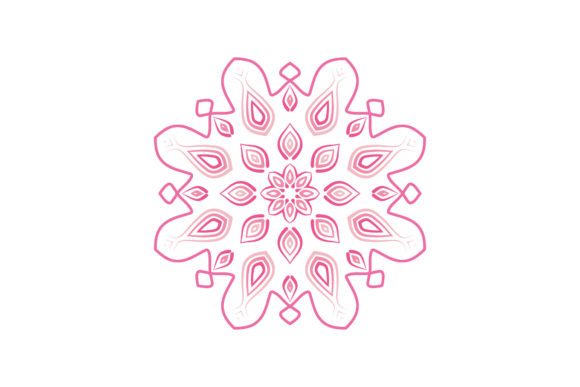
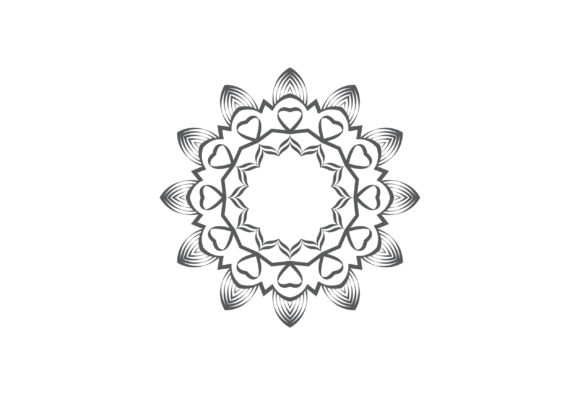
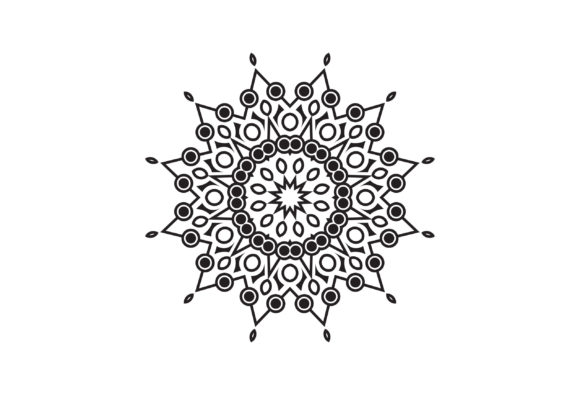
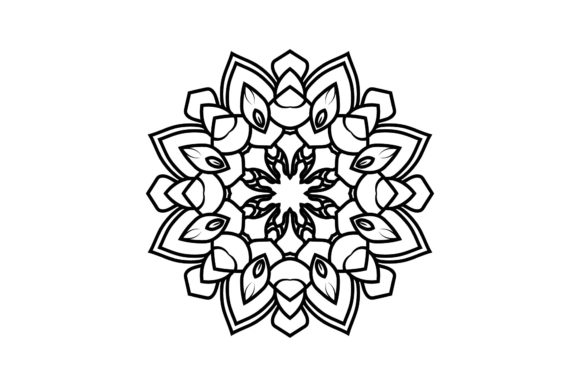
At its core, this style draws direct inspiration from the geometric and floral patterns of traditional mandalas. Each letterform is crafted with an internal complexity, featuring symmetrical flourishes, repeating motifs, and a sense of balanced wholeness. The visual characteristics are bold and highly detailed. It functions as a display font or decorative font, meaning its strength lies in headlines, logos, and short, impactful text blocks rather than lengthy paragraphs. The overall appeal is one of craftsmanship and artistry. It feels like a premium font asset because of the sheer detail packed into every character, offering a texture and depth that simpler sans serif or even classic serif fonts cannot replicate.
Strategic Applications: Where This Style Truly Shines
Knowing where to deploy Mandala Flower Decorative Style is key to leveraging its power. Its intricate nature means it excels in specific contexts where visual impact trumps pure readability.
- Logo Design & Brand Identity: For brands in wellness, yoga, holistic health, artisan crafts, botanicals, or luxury beauty, this font can become the cornerstone of a memorable brand identity. It instantly communicates themes of nature, mindfulness, and handcrafted quality.
- Packaging Design: Imagine this typeface on a label for organic teas, handmade soaps, or botanical candles. It adds a layer of perceived value and artistry, helping products stand out on a crowded shelf.
- Editorial & Publishing: Use it for chapter headings in a book about spirituality or art, or as a striking title for a magazine feature on floral design. It brings a curated, artistic feel to editorial design.
- Digital & Social Media: In the fast-scrolling world of social media, a post or story header set in this creative font can stop thumbs. It's perfect for quote graphics, event announcements, or profile banners for creative entrepreneurs.
- Event & Stationery Design: Wedding invitations, festival posters, yoga retreat brochures, and certificate designs all benefit from its elegant and thematic flourish.
The Practical Designer's Guide to Using This Font
Adopting a specialty font like this requires a thoughtful approach. Here’s how to integrate it effectively into your projects.
Evaluating Project Fit and Readability
First, ask if the project's tone aligns with the font's personality. Is the goal to feel organic, spiritual, or artisanally crafted? If yes, you're on the right track. The most critical consideration is readability. This is not a web design body copy font. Use it sparingly for maximum effect: headlines, subheadings, pull quotes, or single-word accents. Always test it at the intended size to ensure the intricate details don't become a muddy blur.
Mastering Font Pairing for Visual Hierarchy
The secret to using a strong decorative font is pairing it with a quiet, stable partner. This creates a clear visual hierarchy and ensures your message is both beautiful and legible.
- Pair it with a clean, geometric sans serif like Montserrat or Lato for body text. The contrast lets the mandala style headline pop while keeping the content accessible.
- For a more elegant, editorial feel, combine it with a classic, readable serif font like Georgia or Libre Baskerville. This works well for book layouts or high-end branding.
- Avoid pairing it with other highly decorative, script, or handwritten fonts, as this will create visual competition and chaos.
Leveraging Your Design Assets
You're not just getting a set of letters. The package includes versatile design assets: AI, EPS, SVG, DXF, JPG, and PNG files. This is crucial for practical application.
- The vector files (AI, EPS, SVG) are your best friends for logo design and print projects. They scale infinitely without losing quality, allowing you to adjust colors and isolate elements.
- The DXF file is a standout for crafters and hobbyists, enabling direct use with cutting machines like Cricut or Silhouette for physical projects.
- The JPG and PNG files are ready for quick digital use in social media graphics, website banners, or mockups.
Making the Commercial Decision
As a commercial font, always review the licensing. Ensure it covers your intended use, whether for client work, merchandise, or digital products. The fact that this is a complete, multi-format package indicates a professional-grade asset, offering good value for entrepreneurs and small business owners building a distinctive brand identity.
In the end, Mandala Flower Decorative Style is more than a typeface; it's a design strategy. Used with intention, it can elevate a project from ordinary to extraordinary, infusing it with a sense of artistry and purpose that resonates deeply with a creative audience. It’s a tool for telling a richer visual story.