Exploring the Artistic Depth of Mandala Decorative Style
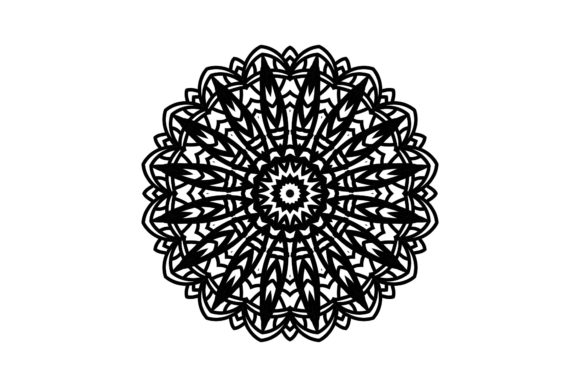
The world of design often demands something that transcends simple text. When you need to evoke a sense of harmony, spirituality, or intricate craftsmanship, standard typefaces often fall short. This is where the Mandala Decorative Style enters the conversation. It is more than just a typeface; it is a visual language rooted in geometric complexity and cultural symbolism. At its core, this style mimics the concentric diagrams of the universe found in Hindu and Buddhist symbolism, transforming letters into intricate art pieces. The visual characteristics are unmistakable: you will find symmetrical patterns, repetitive geometric shapes, and a density that draws the eye inward. It possesses a personality that is both meditative and commanding, offering a sense of balance and wholeness that few other premium font styles can achieve.
The appeal of this aesthetic lies in its versatility as a display font. Unlike a clean sans serif font used for body copy, the Mandala style is meant for headlines, logos, and focal points. It commands attention without shouting. The intricate linework creates a texture that fills space beautifully, making it an ideal candidate for projects where negative space needs to be managed artistically. Whether the rendering is fine and delicate or bold and tribal, the overall effect is one of high craftsmanship. It suggests that the creator behind the design values detail and tradition, yet it fits seamlessly into modern typography trends that favor ornamental and maximalist approaches.
Practical Applications in Branding and Marketing
For entrepreneurs and brand strategists, choosing the right visual assets is critical to brand identity. The Mandala Decorative Style is not a universal solution for every business, but for specific industries, it is a game-changer. Consider the wellness, yoga, beauty, and holistic health sectors. A logo design utilizing this style immediately communicates serenity and a connection to nature. It tells the customer that the brand is grounded and thoughtful. However, its application goes beyond spiritual niches. In packaging design, particularly for artisanal goods, tea, coffee, or luxury chocolates, this style adds a layer of perceived value. The intricate patterns suggest that the product inside is crafted with care, just like the typography on the box.
In the realm of editorial design and publishing, this style shines when used for drop caps or chapter headings. It breaks the monotony of standard serif or sans-serif text blocks, providing a visual anchor for the reader. For bloggers and content creators, using a creative font like this for featured images or Pinterest graphics can significantly increase click-through rates. The visual complexity stops the scroll, inviting the audience to engage with the content. It is a powerful tool for social media graphics where standing out in a crowded feed is the primary objective. It works exceptionally well for event posters, festival branding, or music album covers where a distinct, atmospheric mood is required.
Strategic Implementation and Design Pairings
Understanding how to implement the Mandala Decorative Style effectively is key to maintaining professionalism. Because of its complexity, it demands a thoughtful approach to visual hierarchy. You should never use this style for long paragraphs or small body text; doing so destroys readability and frustrates the viewer. Instead, it should be the hero element. Pair it with a clean, geometric sans serif font for body copy. The contrast between the ornamental Mandala style and the clean utility font creates a balanced composition that is easy to digest yet visually stimulating. Alternatively, pairing it with a simple serif font can enhance the classic, timeless feel of the design.
When evaluating your project fit, consider the medium. In web design, this style works best as a hero image overlay or a stylized logo, but you must ensure the file formats support high resolution. Speaking of assets, having the right file types is non-negotiable for professional work. A comprehensive kit usually includes vector formats like AI, EPS, and SVG. These are crucial for scalability; you can resize a vector Mandala design to fit a billboard or a business card without losing quality. For digital mockups or quick social posts, JPG and PNG files are standard, with PNGs offering the transparency needed for layering designs.
Furthermore, the availability of DXF files opens up a world of possibilities for crafters and makers. If you are working with cutting machines for vinyl decals, paper crafting, or textile embroidery, this format is essential. It allows the intricate patterns of the Mandala style to be accurately translated into physical cuts. This makes the style incredibly valuable not just for graphic designers, but for small business owners selling physical goods on platforms like Etsy.
Technical Considerations and Workflow Integration
Integrating a new typeface into your workflow requires a bit of technical diligence. Always check the licensing. A commercial font license ensures you are legally protected to use the design for client work, merchandise, and advertising. Since you are acquiring design assets, treat them as investments. When you receive a package containing multiple formats—such as the AI, EPS, SVG, DXF, JPG, and PNG files mentioned—you are equipped for almost any scenario. The SVG format, for instance, is particularly useful for web design as it keeps file sizes small while maintaining crisp edges on any screen resolution.
From a design observation standpoint, color plays a massive role in how this style is perceived. A monochromatic black Mandala feels elegant and serious. A gold or metallic gradient applied to the vector file can instantly shift the vibe to luxury and opulence. When using these designs, pay attention to kerning and tracking if you are using a typographic version, though often these decorative elements are treated more like illustrations than strictly typed letters. The "canvas size" of your digital files matters too. A standard 1920px by 1280px is excellent for desktop wallpapers or website headers, ensuring the design looks sharp on high-definition monitors.
Ultimately, the Mandala Decorative Style is a bridge between ancient art and modern typography. It allows designers, marketers, and hobbyists to infuse their work with a sense of meaning and aesthetic depth. By using it sparingly and strategically, you can elevate a standard layout into a memorable visual experience. Whether you are designing a logo for a new startup, creating a cover for a self-published book, or crafting a unique invitation, this style offers a robust toolkit for creativity. It proves that typography can be functional art, capable of telling a story before a single word of the headline is actually read.