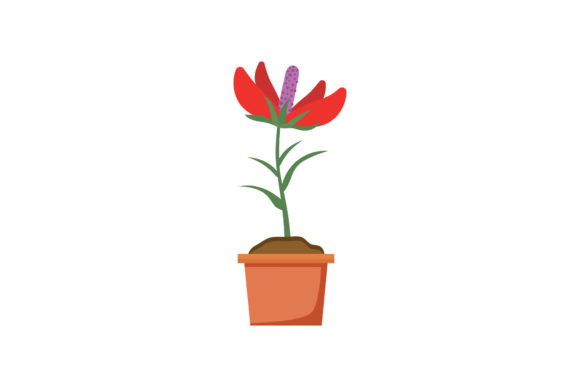
Botanical Charm: Unlocking Design with Floral Pot Vectors
In the world of digital assets, finding a design element that balances aesthetic beauty with practical utility is rare. We often find ourselves searching for that perfect piece of clipart or illustration that doesn't just sit on the canvas but actively contributes to the story we are trying to tell. This is exactly where the Flowers Pot Decorative Botanical collection shines. It is not merely a static image; it is a versatile suite of vector art designed to bring a touch of organic elegance to a wide array of creative projects. Whether you are a seasoned graphic designer looking for fresh assets or a small business owner trying to elevate your brand’s visual identity, understanding how to leverage this botanical style can transform your work from ordinary to exceptional.
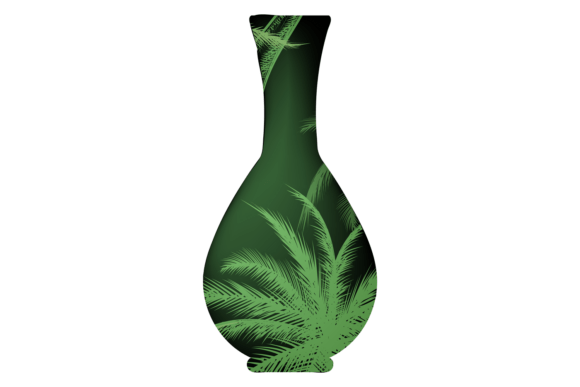
The visual language of this collection is rooted in the timeless appeal of nature. It captures the intricate details of foliage and the structural charm of flower pots, rendering them in a style that feels both classic and contemporary. The appeal lies in its adaptability. Unlike a photograph, which is fixed in its lighting and perspective, a vector-based botanical illustration offers clean lines and scalable geometry. This means the design retains its crispness whether it is scaled down for a delicate business card logo or blown up for a large-format banner. The personality of the work is serene yet vibrant, offering a sophisticated way to introduce color and texture without overwhelming the viewer.
Practical Applications: From Branding to Packaging
One of the most significant advantages of working with a high-quality decorative botanical asset is its sheer range of application. For entrepreneurs and brand strategists, the Flowers Pot Decorative Botanical style is a powerhouse for creating a distinct brand identity. In a marketplace saturated with sterile, corporate aesthetics, floral elements can humanize a brand. Imagine a skincare company, a boutique café, or a sustainable goods store using these vectors as the cornerstone of their visual language. The organic shapes soften the corporate edges, making the brand feel more approachable and trustworthy. It works exceptionally well for logo design, where a stylized pot or a single leaf can become an iconic mark that is easily recognizable and memorable.
Beyond branding, the utility extends deeply into packaging design. Physical products need shelf appeal, and botanical illustrations provide that instant connection to nature. Whether you are designing the sleeve for a coffee bag, the label for a jam jar, or the wrapping for a gift set, these assets add a layer of perceived value. The details in the illustration suggest care and quality, subconsciously communicating to the customer that the product inside is premium. Because the files are provided in scalable vector formats like SVG and AI, they can be manipulated to fit any contour or surface area, ensuring the design flows seamlessly with the physical product structure.
Digital Presence and Editorial Flair
In the digital realm, the application of botanical elements is just as critical. For web designers and content creators, the challenge is often to keep a website or social media feed dynamic without slowing down load times or creating visual clutter. The Flowers Pot Decorative Botanical collection serves as an excellent tool for breaking up text-heavy layouts. In editorial design—such as blog headers or magazine features—these illustrations can set the mood immediately. They act as visual anchors that guide the reader's eye and provide a pause between sections of content.
For social media graphics, consistency is key. Marketers and influencers can use these assets to create a cohesive look across platforms like Instagram, Pinterest, and Facebook. A recurring botanical theme creates a visual rhythm that followers learn to recognize. You might use a potted plant illustration as a background element for a quote post, or use the foliage to frame a product photograph. The versatility of the included file formats, specifically the PNG with a transparent background, makes this incredibly easy. You can overlay the botanical elements onto any color scheme or photographic background without the hassle of complex masking or clipping paths.
Technical Versatility: The Power of Vector Files
Understanding the technical assets you receive is crucial for professional output. When you acquire a design package like this, you are often given a variety of file types, each serving a specific purpose. The inclusion of an AI File (Adobe Illustrator) is standard for professional designers who need full control over anchor points, layers, and color swatches. This allows for total customization; you can change the color of the pot, remove a specific leaf, or combine elements to create a new composition entirely.
The EPS File ensures compatibility with older vector software and is often the go-to for print shops, ensuring your design prints perfectly on merchandise. The SVG File has become the gold standard for web development; it allows graphics to be embedded directly into code and scaled infinitely on any screen resolution without pixelation. Finally, the JPG and PNG files are "ready-to-use" rasterized versions for those who may not have advanced editing software but still need high-quality imagery for presentations, documents, or quick social posts. This comprehensive delivery ensures that whether you are printing a billboard or designing an email newsletter, you have the exact file format required for a professional finish.
Integrating Botanicals into Modern Typography
A common question among designers is how to pair imagery with typefaces. While the Flowers Pot Decorative Botanical set is primarily illustrative, it plays a massive role in modern typography compositions. The organic curves of the leaves and stems create a beautiful contrast when paired with a rigid sans serif font. This juxtaposition—nature vs. structure—creates visual interest and prevents the design from feeling too static.
Conversely, pairing these botanical elements with a flowing script font or a handwritten font can amplify the artisanal, personal feel of a project. This is particularly effective for wedding invitations, stationery, or boutique branding where the goal is to evoke warmth and intimacy. When evaluating font pairing, look at the weight of the botanical illustration. If the drawing is detailed and fine, it pairs better with lighter, elegant typefaces. If the illustration is bold and stylized, it can hold its own against a heavy display font or a thick serif font. The goal is to create a hierarchy where the text and the art support one another rather than competing for attention.
Choosing and Evaluating Your Design Assets
When selecting assets for your next project, it is important to evaluate the quality and the specific "vibe" of the artwork. Look for line work that is smooth and nodes that are clean—signs of a well-crafted vector. Consider the overall style: Does the shading technique match the rest of your project? Is the level of realism appropriate, or do you need something more abstract?
For those working on commercial projects, the licensing of design assets is a critical consideration. Always ensure that the usage rights align with your intended output, especially if the design will be printed on mass-produced merchandise or used in digital products for resale. The value of a premium font or illustration pack often lies in its versatility and the clarity of its license, allowing you to use the work confidently across multiple platforms without legal ambiguity.
Ultimately, the Flowers Pot Decorative Botanical collection is more than just a set of files; it is a toolkit for creativity. It empowers you to add a layer of sophistication and natural beauty to your work, regardless of the medium. By understanding the technical formats and applying thoughtful design principles, you can use these botanical elements to craft visuals that are not only beautiful but also effective in communicating your message.